Bumps, Bruises, or Broken? A Parent’s Guide to Childhood Fractures

Kids are born explorers. Whether they are mastering the monkey bars, riding a bike without training wheels for the first time, or just enthusiastically jumping off the living room sofa, childhood is full of motion. And with all that motion comes the inevitable tumbles, bumps, and bruises.
As a parent, your heart probably skips a beat every time they take a hard fall. Most of the time, a little ice and a hug are all that’s needed. But how do you know when that tumble has resulted in a fracture or a more serious injury?
Here is what every parent needs to know about paediatric trauma, how kids' bones differ from adults, and when it is time to head to the doctor.
Kids Are Not Just "Miniature Adults"
When it comes to orthopaedics, children’s bodies are entirely unique. Their bones are still growing, which makes them much more flexible and porous than adult bones.
Think of an adult bone like a dry stick—if you bend it too far, it snaps cleanly in half. A child’s bone, however, is more like a young, green branch on a tree. If you bend it, it might splinter or bow on one side but stay intact on the other. This is why kids often get what doctors call "buckle" or "greenstick" fractures, where the bone bends or partially breaks rather than shattering.
The Importance of Growth Plates
The most critical difference in a child's skeleton is the presence of growth plates. These are areas of soft, developing cartilage located near the ends of long bones (like the arms and legs). Because this cartilage is softer than solid bone, it is often the weakest point in a child's limb.
An awkward fall that might cause a simple sprained ankle in an adult can actually cause a growth plate fracture in a child. These injuries require specialized paediatric care because if a growth plate heals improperly, it can cause the bone to grow crooked or stop growing altogether.
Signs It Might Be a Fracture
Kids cry when they get hurt, making it tricky to tell the difference between a scary bump and a broken bone. Here are the red flags that mean it is time to seek medical care:
Visible Deformity: If the arm, leg, wrist, or finger looks bent, crooked, or out of its normal position, go to the emergency room immediately.
Refusal to Use the Limb: If your toddler refuses to put any weight on their leg, or your older child cradles their arm against their chest and won't let you touch it, trust their instincts.
Rapid Swelling and Bruising: Significant swelling that appears almost immediately after a fall is a strong indicator of a bone or severe ligament injury.
Severe, Localized Pain: If the pain doesn't start to subside after a few minutes of rest, or if pressing gently on the specific spot causes extreme distress, get it checked out.
Numbness or Tingling: If your child complains that their fingers or toes feel "asleep" below the injury, it could mean a bone is pressing on a nerve.
The Silver Lining: Kids Heal Fast!
The best news about paediatric fractures is that children are incredibly resilient. Their bodies are actively building bone every single day, which means they heal much faster than adults. A fracture that might take an adult months to recover from can often heal in just a few weeks in a child.
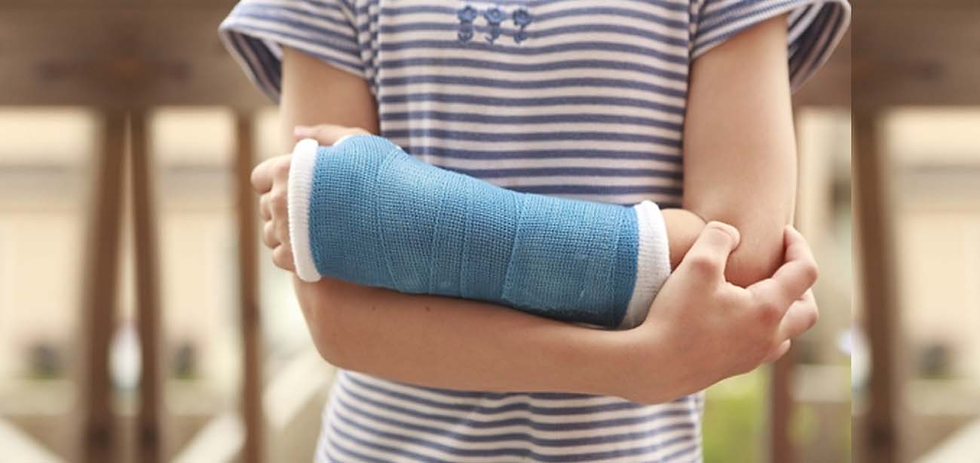
What to expect at the doctor: If we suspect a fracture, we will start with a simple X-ray. Depending on the type of break, treatment might range from a simple splint or a colorful fiberglass cast, to (in more severe cases) a brief surgery to realign the bone and protect the growth plate.
Trust Your Parental Instincts
You know your child’s "normal" better than anyone else. If your child takes a tumble and your gut tells you something isn't right, don't hesitate to reach out. A quick X-ray and evaluation by a paediatric specialist can provide invaluable peace of mind, ensuring your little explorer gets back to the playground safely and quickly!


Comments