Understanding Clubfoot: The Ponseti Method Explained

Clubfoot is a congenital condition that affects the foot's position, causing it to turn inward and downward. This condition can lead to difficulties in walking and can significantly impact a child's mobility if not treated properly. Fortunately, the Ponseti method offers an effective treatment approach that has transformed the lives of many children with clubfoot. In this blog post, we will explore the Ponseti method in detail, discussing its principles, treatment process, and the outcomes it can achieve.
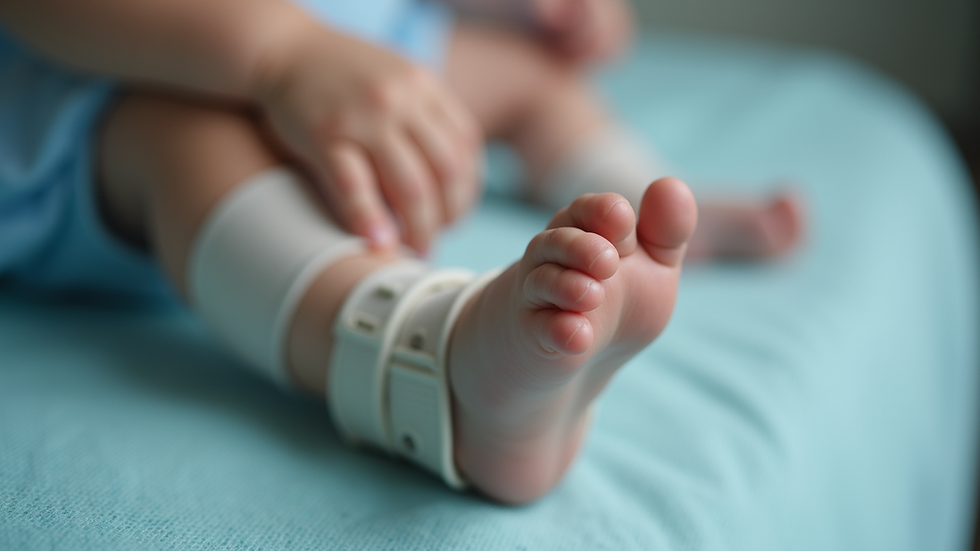
What is Clubfoot?
Clubfoot, medically known as congenital talipes equinovarus (CTEV), is a condition where one or both feet are rotated inwards and downwards. This malformation occurs during fetal development and can affect the bones, muscles, and tendons of the foot and ankle.
Types of Clubfoot
There are two main types of clubfoot:
Idiopathic Clubfoot: This is the most common form and occurs without any associated conditions. It is often isolated and can be treated effectively with the Ponseti method.
Non-idiopathic Clubfoot: This type is associated with other medical conditions, such as spina bifida or arthrogryposis. Treatment may vary depending on the underlying condition.
Prevalence
Clubfoot affects approximately 1 in every 1,000 live births. While it can occur in both genders, it is more common in boys than girls. The exact cause of clubfoot is not fully understood, but genetic factors may play a role.
The Ponseti Method: An Overview
The Ponseti method is a non-surgical treatment developed by Dr. Ignacio Ponseti in the 1940s. It focuses on gradually correcting the foot's position through a series of manipulations and the application of casts. The method has gained widespread acceptance due to its effectiveness and low complication rates.
Key Principles of the Ponseti Method
Gentle Manipulation: The method begins with gentle manipulation of the foot to stretch the tight tissues and reposition the bones.
Casting: After manipulation, a cast is applied to hold the foot in the corrected position. This cast is typically changed weekly for several weeks.
Achilles Tendon Release: In many cases, a minor surgical procedure called Achilles tendon release is performed to allow for further correction. This is usually done when the foot is in a near-correct position.
Bracing: After the casting phase, a brace is used to maintain the corrected position and prevent relapse. The brace is typically worn full-time for the first few months and then part-time for several years.
The Treatment Process
Initial Assessment
The treatment begins with a thorough assessment by a pediatric orthopedic specialist. The doctor will evaluate the severity of the clubfoot and discuss the treatment plan with the parents.
Casting Phase
The casting phase usually starts within the first week of life. The steps involved are:
Foot Manipulation: The doctor gently manipulates the foot into the correct position.
Application of Casts: A cast is applied from the toes to the knee, holding the foot in the corrected position. This process is repeated weekly, with each cast gradually adjusting the foot's position.
Monitoring Progress: Regular follow-ups are essential to monitor the foot's progress and make necessary adjustments.
Achilles Tendon Release
If the foot does not achieve the desired position after several weeks of casting, an Achilles tendon release may be recommended. This outpatient procedure involves making a small incision in the back of the heel to lengthen the tendon, allowing for better positioning of the foot.
Bracing Phase
Once the foot is corrected, the child will transition to a bracing phase. The brace is designed to keep the foot in the correct position and prevent relapse. The typical schedule is:
Full-time wear: For the first 3 months after casting.
Part-time wear: For the next 2-4 years, usually during sleep and naps.
Expected Outcomes
The Ponseti method has a high success rate, with studies showing that over 90% of children treated with this method achieve a functional, pain-free foot. Key outcomes include:
Improved Mobility: Children can walk, run, and participate in physical activities without limitations.
Normal Foot Appearance: The foot typically appears normal after treatment, allowing for a better quality of life.
Reduced Need for Surgery: The Ponseti method minimizes the need for extensive surgical interventions, which can have higher risks and complications.
Challenges and Considerations
While the Ponseti method is highly effective, there are challenges that parents and caregivers should be aware of:
Compliance with Bracing: Ensuring that the child wears the brace as prescribed is crucial for preventing relapse. Parents may face challenges in getting their child to wear the brace consistently.
Follow-up Appointments: Regular follow-up appointments are essential to monitor progress and make necessary adjustments. Missing appointments can lead to complications.
Emotional Support: The treatment process can be emotionally taxing for both the child and the parents. Support from healthcare providers and support groups can be beneficial.
Conclusion
The Ponseti method has revolutionized the treatment of clubfoot, providing a non-invasive and effective approach to correcting this condition. With early intervention and adherence to the treatment plan, children with clubfoot can lead active, fulfilling lives. If you suspect your child has clubfoot, consult a pediatric orthopedic specialist to discuss the best course of action. Early diagnosis and treatment are key to achieving the best outcomes.
By understanding the Ponseti method and its benefits, parents can feel empowered to make informed decisions about their child's care. The journey may be challenging, but the rewards of seeing a child walk and play without limitations are immeasurable.


Comments